
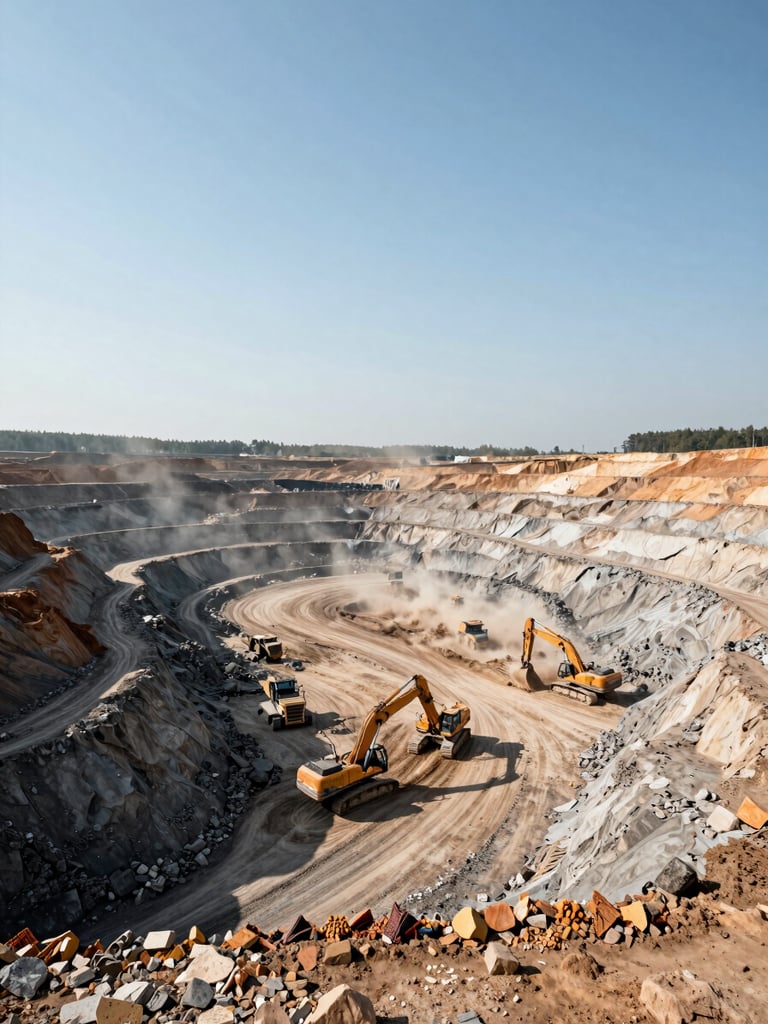
Wide panoramic view of an open-pit mining operation at midday, excavators and haul trucks working the terraced pit floor to the right, expansive sky and dust haze above, shot from an elevated vantage point for scale
— Who We Are

Built by operators, for operators.

NexaERP was not assembled from generic modules. It was designed by people who coordinated ore extraction, cross-border shipments, and multi-site manufacturing before writing a single line of code.
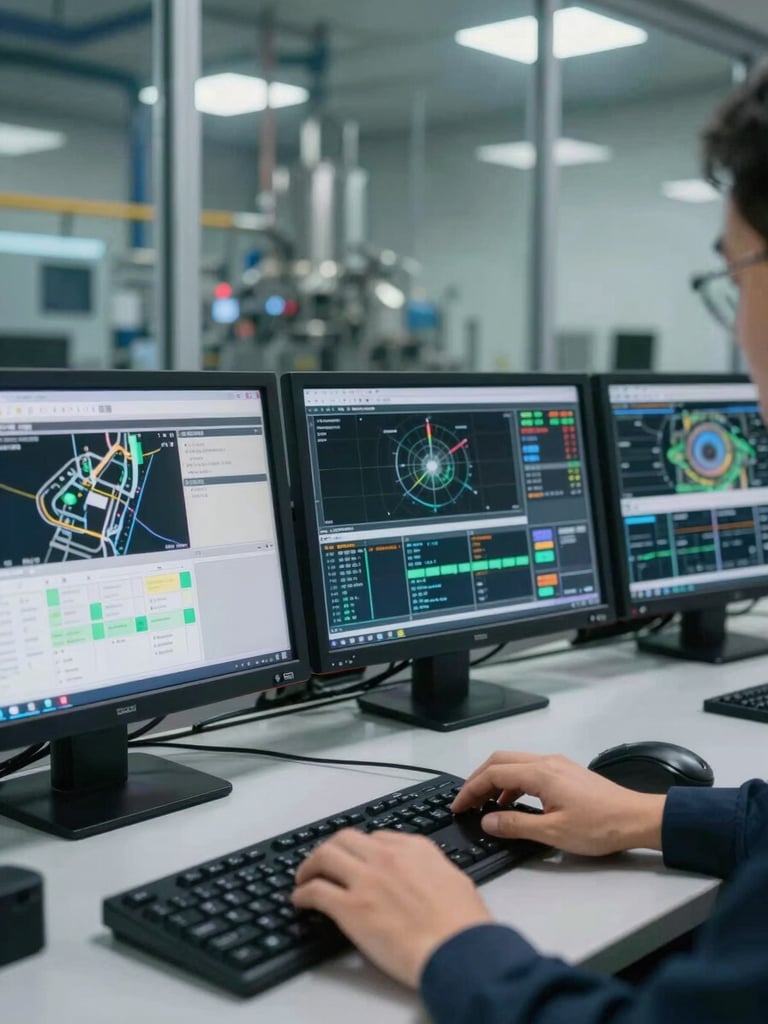
Close-up of a control room operator at a multi-screen workstation displaying production dashboards and site telemetry, industrial facility visible through reinforced glass behind, cool overhead lighting, focus on the screens and the operator's hands on the keyboard
/ The Founding Conviction

We knew what was missing because we lived it.

The founders spent years inside mining and manufacturing operations—coordinating logistics across borders, reconciling inventory across warehouses, and losing hours to systems that couldn't communicate. No existing ERP understood that problem from the inside.

NexaERP was built to replace the four-system stack with a single operational sight line—every site, every shipment, every constraint visible in one place, without manual reconciliation workarounds.

Operational specificity is not a feature. It is the architecture.

Every workflow, every alert, every report in NexaERP is modeled on the real coordination demands of distributed mining and complex manufacturing—not adapted from a generic ledger system.

Ready to see the system that runs with you?